
Identify the installed tool
When an order says J311-1, J603 or J341, ask the operator which job the blade completed successfully. A code in an old purchase order is a starting point; a known sample tells you what the buyer expects from the replacement. For printed sign stock, that might be a sharp inside corner that lines up with the artwork. For a patterned fabric panel, it might be a clean edge across the weave and no uncut threads where two curves meet. Identify that feature before comparing the points.
Use a clean photograph of the old tool on a plain background. Take one view of its broad face and one of its narrow edge, with the mounting end visible. If the tip is chipped, label the photograph accordingly. A broken tip can make a long point look like a shorter model. Keep the worn tool for identification, but base dimensions on a drawing or an undamaged sample wherever possible. Write the model as it appears in the order and record any suffix separately.
Do not compare edges under different lighting if appearance is part of the approval. A glossy face sheet can hide damage when viewed from directly above. Tilt the rejected piece and the reference piece in the same direction, with the cut edge facing the light. For textiles, separate a few layers from the top, middle and bottom of the lay and label their positions. A clean top layer does not establish that the point reached the bottom in the same way.
Compare sign stock and fabric
The store can carry several pack options for the same physical blade. A five-piece offer and a different quantity under another sales link may legitimately use the same merchant code. Conversely, a similar looking product name does not make two codes interchangeable. For a first order, confirm the selected variant on the product page and copy its code into the inquiry. For a reorder, send the previous code with the quantity you need now. That prevents an old pack description from becoming an unintended specification.
To compare an advertising panel with a garment panel, use two short test paths rather than treating a single straight cut as decisive. In the first, include a corner where the print leaves little room for a visible overrun. In the second, include a curve that crosses the grain. Keep hold-down, backing and material lot unchanged while comparing candidates. If a result changes between two samples, identify what actually changed before drawing a conclusion about the blade. A marked offcut is more informative than an unlabelled photograph of the machine.
If several people use the machine, ask each operator to record the holder that was actually fitted. A job sheet may mention the cutter brand without specifying the head. Do not erase an unexpected observation to make the shop record agree with the purchase order. Instead, photograph the installed holder, mark the machine number and ask the supplier to resolve the discrepancy. Sometimes the useful result of a trial is a better identification record rather than a change of blade.
Make the reorder traceable
Look at the cut from the waste side as well. A slight disturbance that disappears when the waste is lifted may still affect a narrow tab on the finished part. With woven material, note whether loose threads point in one direction or occur all around the contour. With laminated board, check whether the face tears before the core separates. Those observations narrow the questions about fit and edge geometry without assigning an undocumented material rating to a model.
Record the useful life of a blade in terms your workshop can repeat. The number of panels is meaningful only when the material, panel outline and acceptance rule are also recorded. A run of simple contours is different from a run full of small internal details. Keep a sample from the start of the batch and a sample from the first point at which quality changes. Use that pair when asking the supplier about the next trial, instead of relying on a single estimate of elapsed hours.
When discussing an alternative, identify the feature that must be preserved. A buyer may want the same mounting profile but a different edge; another may simply need a second source for an unchanged specification. Describe the requirement in those terms. Ask for confirmation of the code, pack count and any dimensional questions before placing the order. Store the approved edge sample with those answers so a future buyer can see why this particular combination was accepted.
Read the selected ZMUSREN listings
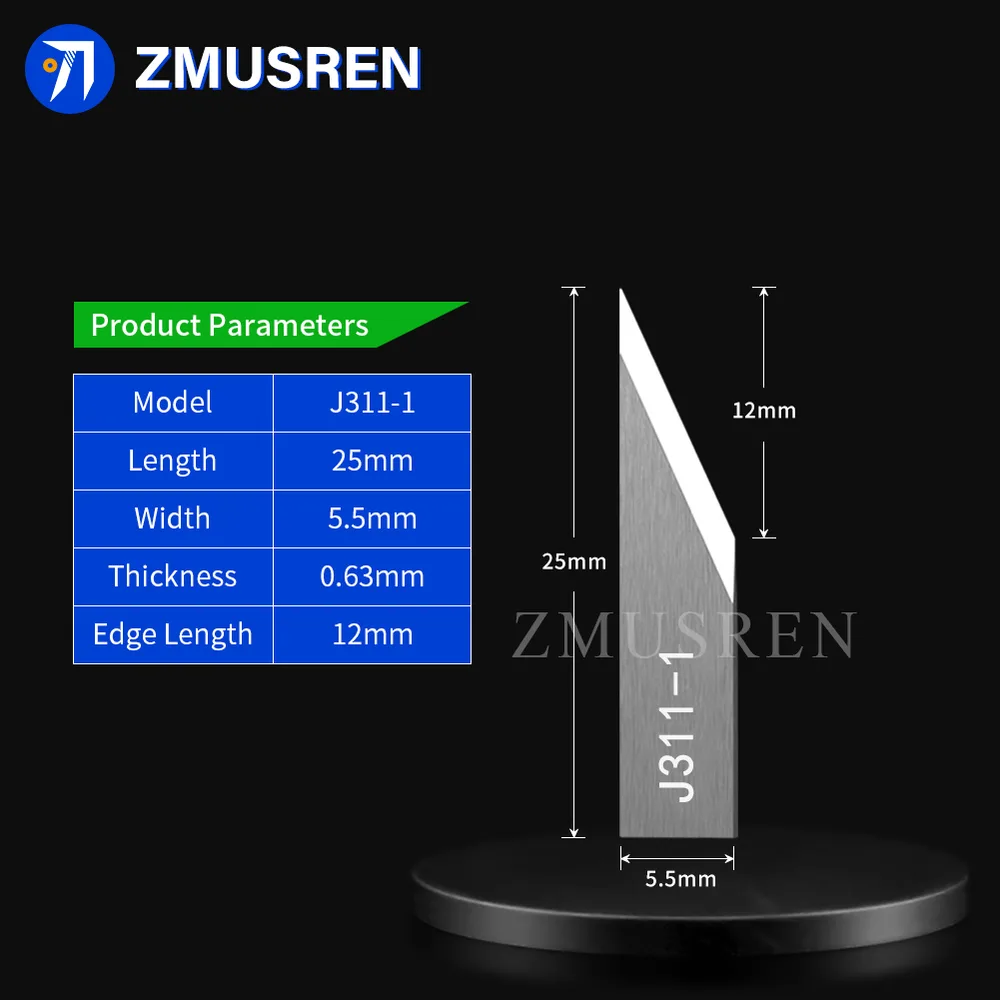
J311-1 is listed as tungsten carbide (cemented carbide) with a hardness range of 88–95 HRA. The photograph below is tied to the selected blade. Compare the broad face and clamping end with the tool in your hand. A store photograph is an identification aid; it is not a scale drawing. If the mounting face looks different, send the drawing and a separate side view before requesting a trial.
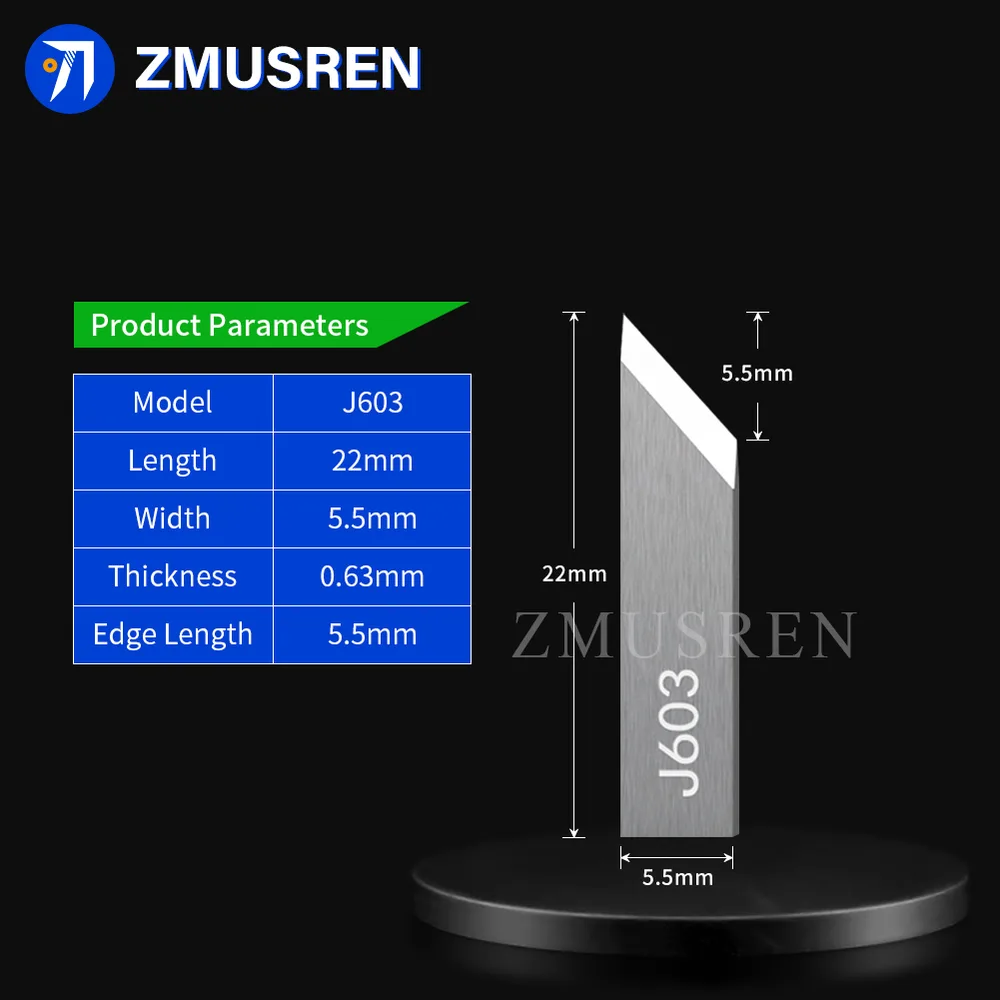
The selected pack for J603 is shown as 10PCS. Keep that pack description separate from the blade dimensions when preparing a requisition. A request for a number of pieces is easier to check than a request for several packs of unspecified size. Ask the supplier to confirm how many individual tools will arrive and which profile the workshop should inspect on receipt.
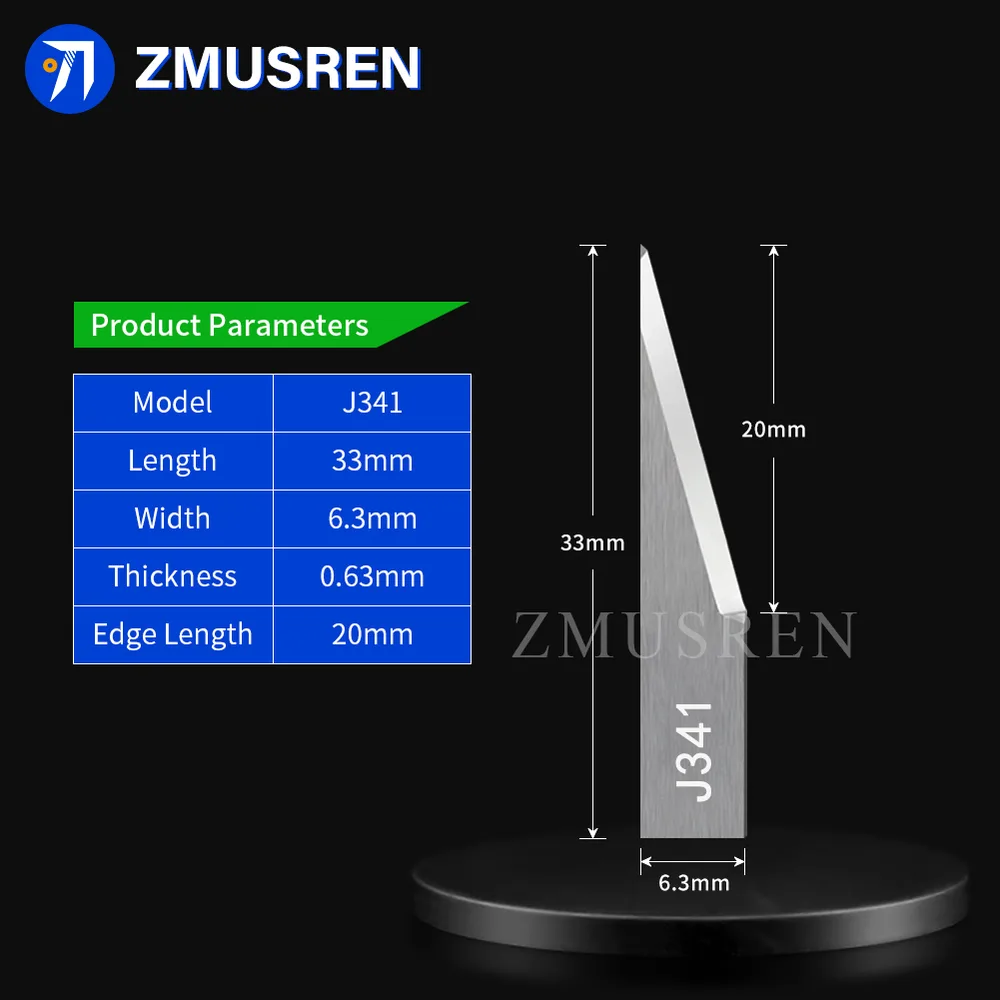
Use the product page for J341 as an independent reference when discussing the trial. The page links the chosen variant to the photograph and the inquiry. Include that link with your material description and acceptance sample so that the supplier opens the same option. If the marking on an existing tool is incomplete, say which part is missing rather than treating the closest catalogue name as a confirmed identification.
Continue with blade profiles in this family, or check replacement blades by machine.